CNC router jigs, templates and patterns
If you are making the same thing more than about three times, a jig pays for itself. Cut on the router, it is identical every time and you can have another one made in a fortnight that matches the first.
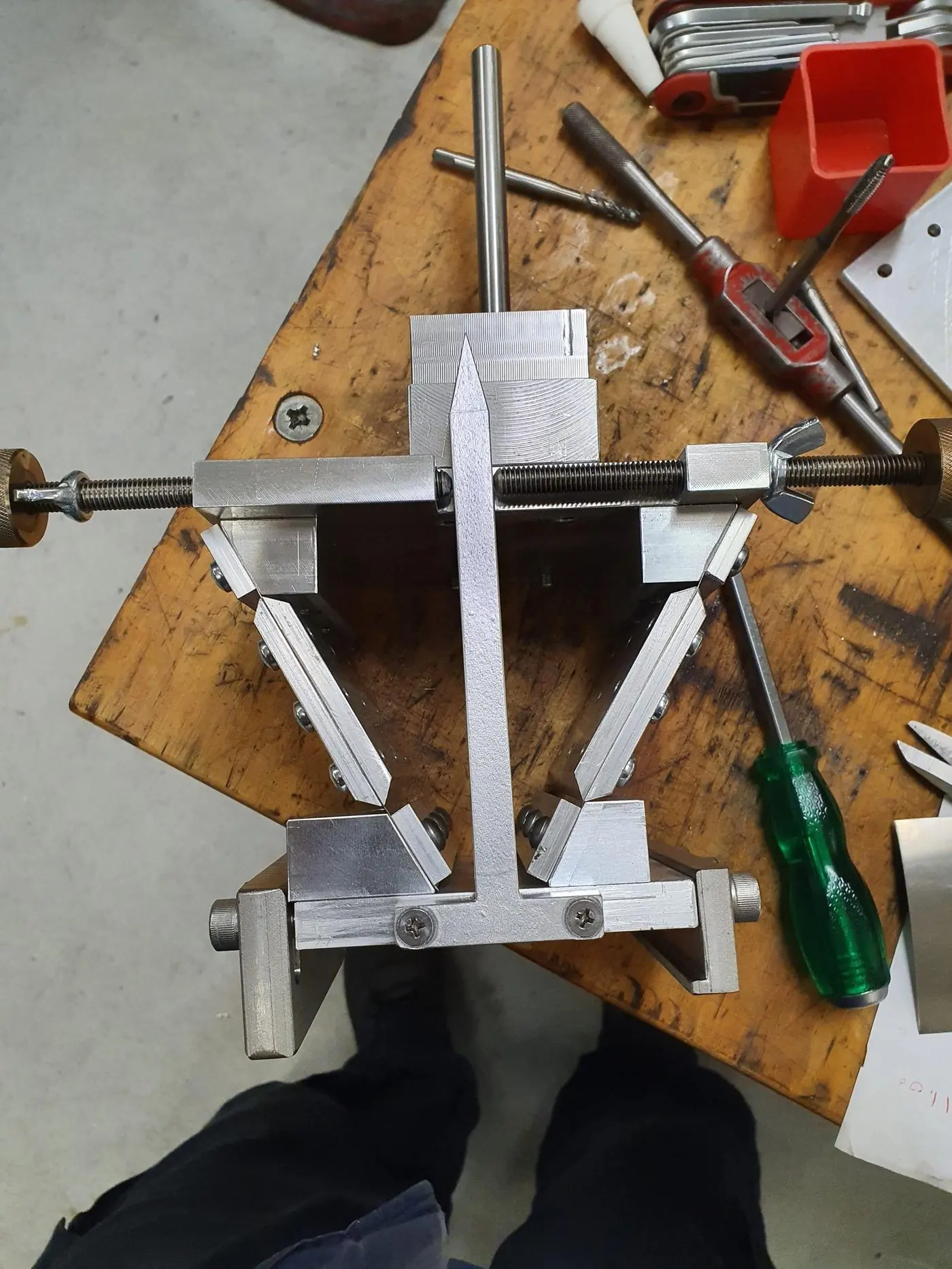
We cut jigs, templates, patterns and gauges for other trades and workshops out of Salamander Bay.
What we make
- Drill jigs — hole patterns transferred to a plate so every part gets drilled the same
- Router and trim templates — for joiners, cabinet makers and boat builders
- Patterns for casting and layup — moulds, plugs and formers
- Assembly and welding fixtures — parts held in the right place while they are joined
- Go / no-go and profile gauges — checked against your part
- Marking and setting-out templates — for site work, so the bloke on the tools is not measuring twice
- Machine and bench fixtures — sacrificial MDF fixtures, vacuum and clamp plates
Materials, and which to pick
- MDF — cheapest, cuts cleanly, good for patterns and short-run templates. Wears at the edges with heavy bearing use.
- Plywood — tougher than MDF, holds up on a site, stays reasonably stable
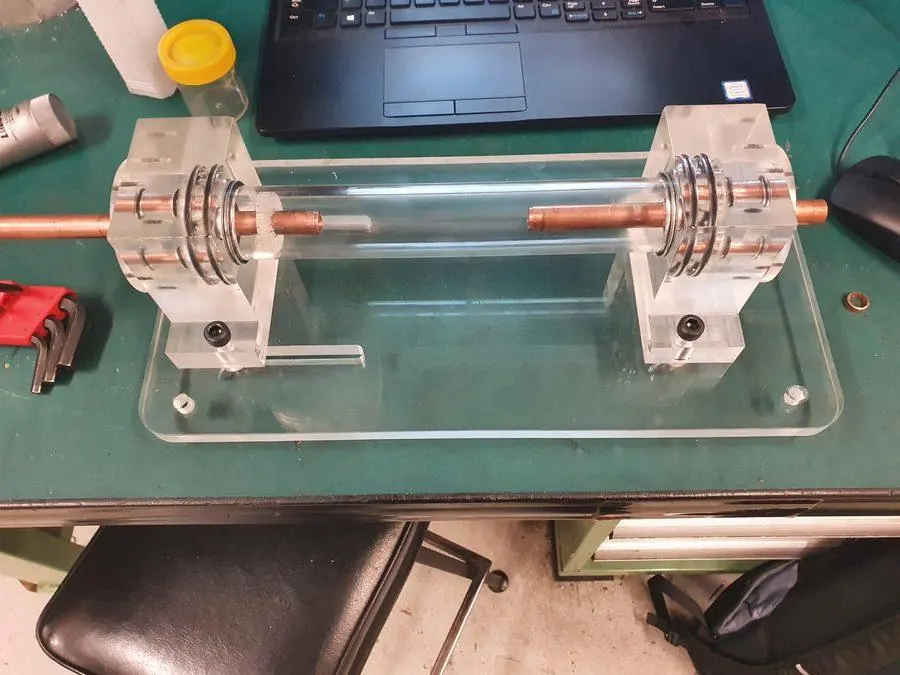
- Acrylic — you can see through it, which matters when a template has to be lined up on a marked part
- HDPE and acetal — slippery, tough, does not care about water, good for anything handled all day
- Aluminium — for a jig that has to last for years, take a drill bushing, or hold tolerance
We will tell you which one your job actually needs. There is no point cutting a template in aluminium if it is used twice.
Working from your part
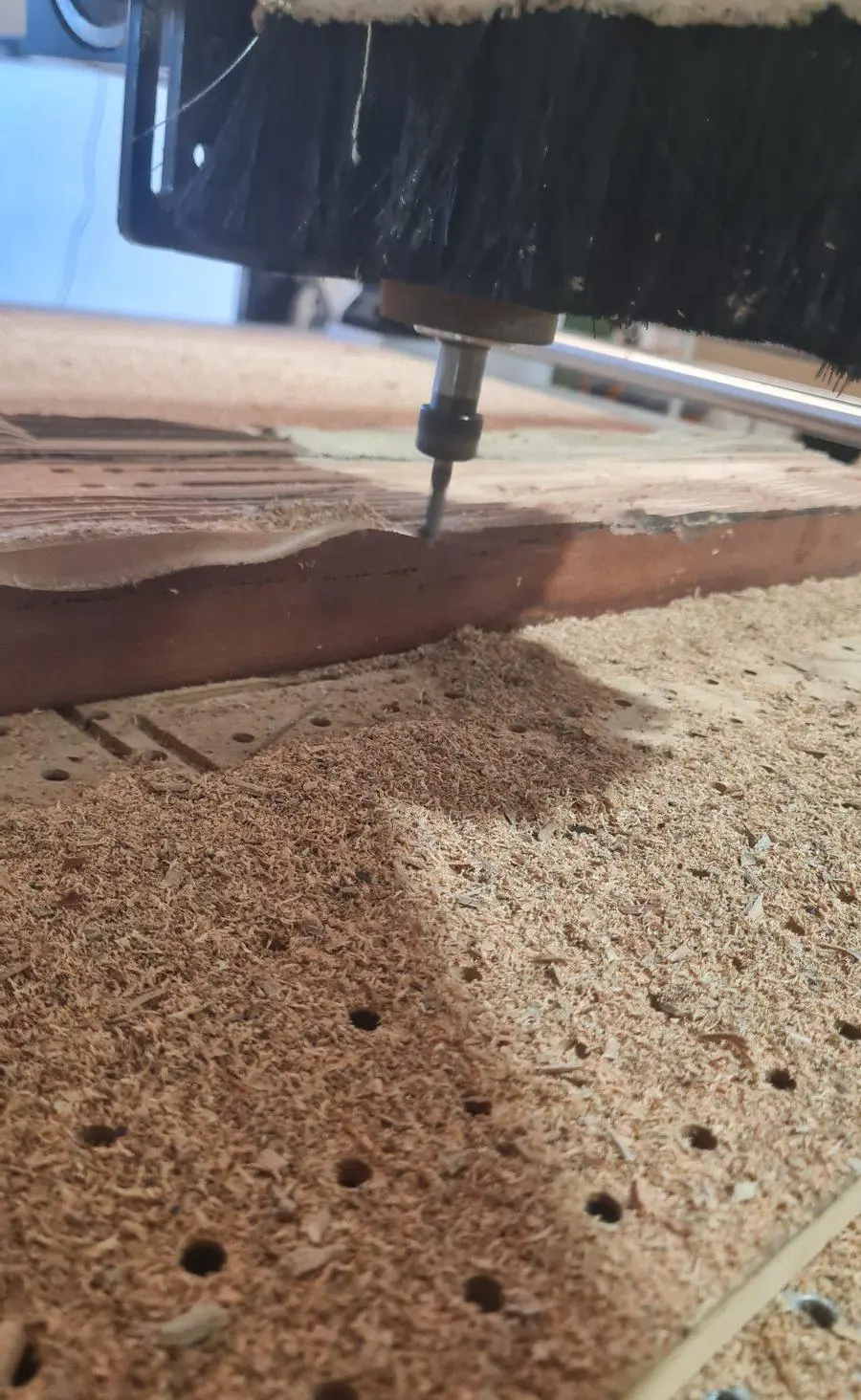
You do not need a drawing. Bring the part, or the old jig, or the component the jig has to fit around. It gets measured and modelled in Fusion 360 here, and the model becomes the program.
That is the same reverse-engineering work the machine shop does every week for parts with no drawings left anywhere. The router is just another machine to cut it on.
If you do have a file — DXF, STEP, PDF drawing — send it and we will work straight off that.
Repeatability, and why the program matters
The point of a jig is that it is the same every time. That comes from the program, not from luck.
Every program here is simulated and gouge-checked before it runs, so the first article is right rather than being a test piece. And because the model and the program are kept, a replacement jig in two years is the same jig, not a new interpretation of it.
If you need a set of six, they come off the same program and they interchange.
For trade customers
This is trade work and it gets treated like trade work. Tell us the quantity up front — it changes the price. If it is an ongoing item, say so and we will hold the program and the material spec so a repeat order is a phone call.
The router sits next to a CNC lathe and mill. If your jig needs a machined steel component, a bushing pressed in or a hardened wear plate, it does not have to go anywhere else — see what we do.
Every jig and template program stays on file. When you need another one — next month or in three years — it is the same part, off the same program, with no set-up charge to start again.
Related router work
Cutting aluminium plates and gauges is on the same machine as the sign work — see the CNC routing hub. If your template needs identifying marks or numbering carved into it, that is carved signs and lettering. Slab and timber work is on timber slab and reclaimed hardwood work.
Bring the part in, or send a drawing. Either works. Tell us how many jigs you need and whether it is a one-off or an ongoing item — that changes what material we would put it in. Ring 0478 790 631 · Mon–Fri · 12 George Road, Salamander Bay. Or send it through the quote form.